


• MY BLOG
  • BOOKS & ARTICLES
    • Books by Andrew Fraknoi
    • Articles for the Public
    • Articles for Educators
    • Classroom Activities on Astronomy
  • RESOURCE GUIDES
  • CONSULTING
    • Non-technical Talks on Astronomy
    • Developing Resource Guides
    • Writing Web-based Articles
    • Giving Talks on Astronomy Education
  • CLASSES & LECTURES
    • Classes I Teach
    • Silicon Valley Astronomy Lecture Series
    • Public Lectures I Give
  • GALLERIES
    • Solar System Images
    • Nebula and Galaxy Images
    • Bumper Stickers for Astronomy
    • Pictures with Astronomers
  • AUDIO & VIDEO
    • Radio Programs & Podcasts with Andrew Fraknoi
    • Videos of Talks and Interviews
  • SCIENCE FICTION
Type and hit ENTER

Be Yourself. Be Happy.

Of the grand order of folio leviathans, the Sperm Whale and the Right Whale are by far the most noteworthy. They are the only whales regularly hunted by man. To the Nantucketer, they present the two extremes of all the known varieties of the whale. As the external difference between them is mainly observable in their heads; and as a head of each is this moment hanging from the Pequod's side.

Stay Positive. Always.

Of the grand order of folio leviathans, the Sperm Whale and the Right Whale are by far the most noteworthy. They are the only whales regularly hunted by man. To the Nantucketer, they present the two extremes of all the known varieties of the whale. As the external difference between them is mainly observable in their heads; and as a head of each is this moment hanging from the Pequod's side.

  • MY BLOG
  • BOOKS & ARTICLES
    • Books by Andrew Fraknoi
    • Articles for the Public
    • Articles for Educators
    • Classroom Activities on Astronomy
  • RESOURCE GUIDES
  • CONSULTING
    • Non-technical Talks on Astronomy
    • Developing Resource Guides
    • Writing Web-based Articles
    • Giving Talks on Astronomy Education
  • CLASSES & LECTURES
    • Classes I Teach
    • Silicon Valley Astronomy Lecture Series
    • Public Lectures I Give
  • GALLERY
  • AUDIO & VIDEO
    • Radio Programs & Podcasts with Andrew Fraknoi
    • Videos of Talks and Interviews
  • SCIENCE FICTION
GET CONNECTED
  • MY BLOG
  • BOOKS & ARTICLES
    • Books by Andrew Fraknoi
    • Articles for the Public
    • Articles for Educators
    • Interdisciplinary Articles (Astronomy & the Humanities)
    • Classroom Activities on Astronomy
  • RESOURCE GUIDES
  • CONSULTING
    • Non-technical Talks on Astronomy
    • Developing Resource Guides
    • Writing Web-based Articles
    • Giving Talks on Astronomy Education
    • Organizing Conferences or Workshops
  • CLASSES & LECTURES
    • Classes I Teach
    • Silicon Valley Astronomy Lecture Series
    • Public Lectures I Give
  • GALLERIES
    • Solar System Images
    • Nebula and Galaxy Images
    • Bumper Stickers for Astronomy
    • Pictures with Astronomers
  • AUDIO & VIDEO
    • Radio Programs & Podcasts with Andrew Fraknoi
    • Videos of Talks and Interviews
  • SCIENCE FICTION
Winter Solstice Arrives on Sunday Dec 21
Share
Astronomy, Seasons, Sky Phenomena, Solar System

Winter Solstice Arrives on Sunday Dec 21

December 18, 2025
-
Posted by Andrew Fraknoi

The 2025 Winter Solstice is Sunday, December 21, at 7:03 am PST.  This is when we experience the shortest day, and longest night, of the year in the Northern Hemisphere.  And it’s the time when the winter season officially starts.  Many cultures have had, and still have, celebrations around this time: people feel depressed by the darkness and need a holiday to cheer them up.

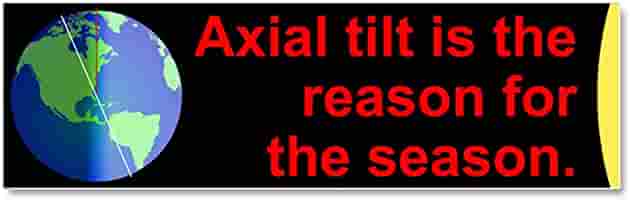
You might ask why our planet has such dramatic changes in the length of the day and night?  If you’ll permit me to put it in informal language, it’s because the Earth is not orbiting the Sun with its head held high – it is leaning over as it goes around by about 23 degrees. So on one side of our orbit, we lean into the Sun – that’s the summer solstice.  On the other side of the Sun, we lean away from the Sun – that’s Sunday’s winter solstice.

So why is the Earth leaning?  Venus and Jupiter are not; they do perfectly well going around the Sun with their rotation axis pointing straight up.  The answer lies in the ancient past.  Planet Earth got hit by a stray planet, very early in the violent history of the solar system, and like, many accident victims, couldn’t ever straighten out again. Back then, probably around 4 billion years ago, there were many more planets and mini-planets, formed from the great cloud of material around the Sun that gave rise to all the worlds of the solar system.  These “extra” planets had irregular orbits, and some fell into the Sun, while others collided or exchanged energy with more regular planets, changing their own orbits and the worlds they collided with.

Our Earth got dealt a glancing blow by a sizeable world, a collision that may have changed the impactor’s orbit and sent it into the Sun or out of the solar system entirely. But, billions of years later, we are still stuck with a leaning planet and the seasons the tilt of our axis causes.

Now I might mention that many people think the seasons are caused by the Earth’s orbit not being a circle, but an skinny ellipse, and that we are further from the Sun when it is winter.  But if that were so, then Australia would have the same seasons as the U.S. (since both sides of the Earth would be further from the Sun.)  Instead, the North and the South hemispheres have opposite seasons; only the tilt can cause that.

The differences between the North and South get more extreme as you travel away from the mid-latitudes where we live, and toward the poles. The North Pole has had no sunrise since October. The South Pole, on the other hand, continues to bask in the glow of the midnight sun, which won’t set until March.

Whatever holiday you are celebrating or avoiding in late December, bear in mind you have had good company for millennia.  Some scholars think the winter solstice is the oldest continuing holiday celebration in the world.  Happy holidays and here is to a better 2026 for all of us.

December 18, 2025

Related Posts

Other posts that you should not miss.
Asteroids, Astronomy, Comets

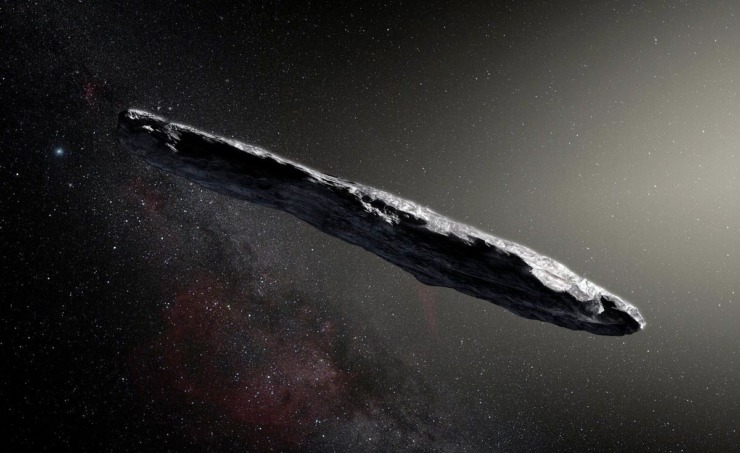
First Visitor from the Realm of the Stars Ever Found Is Oddly Shaped

December 6, 2017
-
Posted by Andrew Fraknoi

Astronomers around the world have been observing a small but fast object that gives every indication of coming …
Read More
December 6, 2017
Posted by Andrew Fraknoi
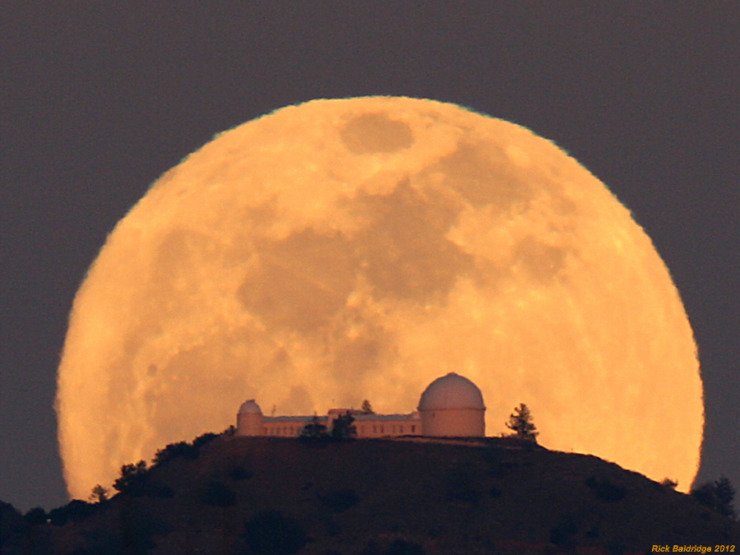
Full Moon, Lick Observatory
Astronomy, Moon, Sky Phenomena

New Year’s Day Full Moon will be a “Supermoon”

December 30, 2017
-
Posted by Andrew Fraknoi

     By a cosmic coincidence, the first day of 2018 will have a nice full Moon …
Read More
December 30, 2017
Posted by Andrew Fraknoi
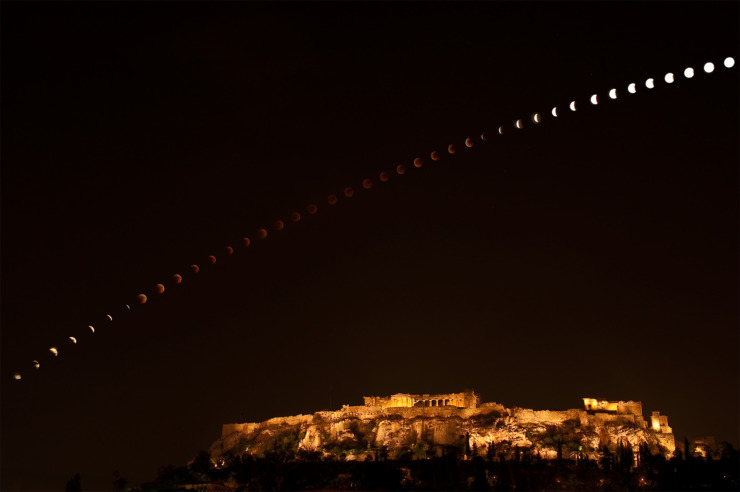
lunar eclipse, eclipse of the Moon,
Astronomy, Eclipse, Moon, Sky Phenomena

Total Eclipse of a Blue Supermoon on January 31

January 26, 2018
-
Posted by Andrew Fraknoi

On Wednesday morning, January 31, residents of North America (and particularly those on the west coast) will experience …

Read More
January 26, 2018
Posted by Andrew Fraknoi
NEXT POST →
A Course Via Zoom on Atomic Science for Everyone

"*" indicates required fields

This field is for validation purposes and should be left unchanged.

Subscribe to my blog!

Name*

RECENT POSTS
  • A Course Via Zoom on Atomic Science for Everyone
    September 20, 2025

    I am teaching a new Zoom course on the mysterious world of the atom, …

  • Logo for a 1-day meeting on the future of astronomy
    A 1-Day Virtual Symposium on Future of Astronomy
    August 7, 2025

    For those of you with a deeper interest in astronomy and how we learn …

  • Virgo Cluster (part) from the Rubin Observatory
    New Telescope to Take Movie of Entire Sky
    June 24, 2025

    Astronomers unveiled first pictures from the amazing Rubin Observatory, which is getting ready to take the deepest, widest movie of the entire sky.

  • The leaning Earth in its orbit around the Sun each year.
    Friday is the Summer Solstice — Caused by Earth’s Ancient Accident
    June 16, 2025

    Friday is the summer solstice, the longest day of the year. We explain why.

  • Two of My Science-Fiction Stories Published in May
    June 1, 2025

    View this email in your browser A Change of Pace from Astronomy News  …

Archives
  • HOME
  • ABOUT ME
  • CONTACT ME
  • FAVORITE LINKS

© Copyright 2025 | All Rights Reserved

Winter Solstice Arrives on Sunday Dec 21